
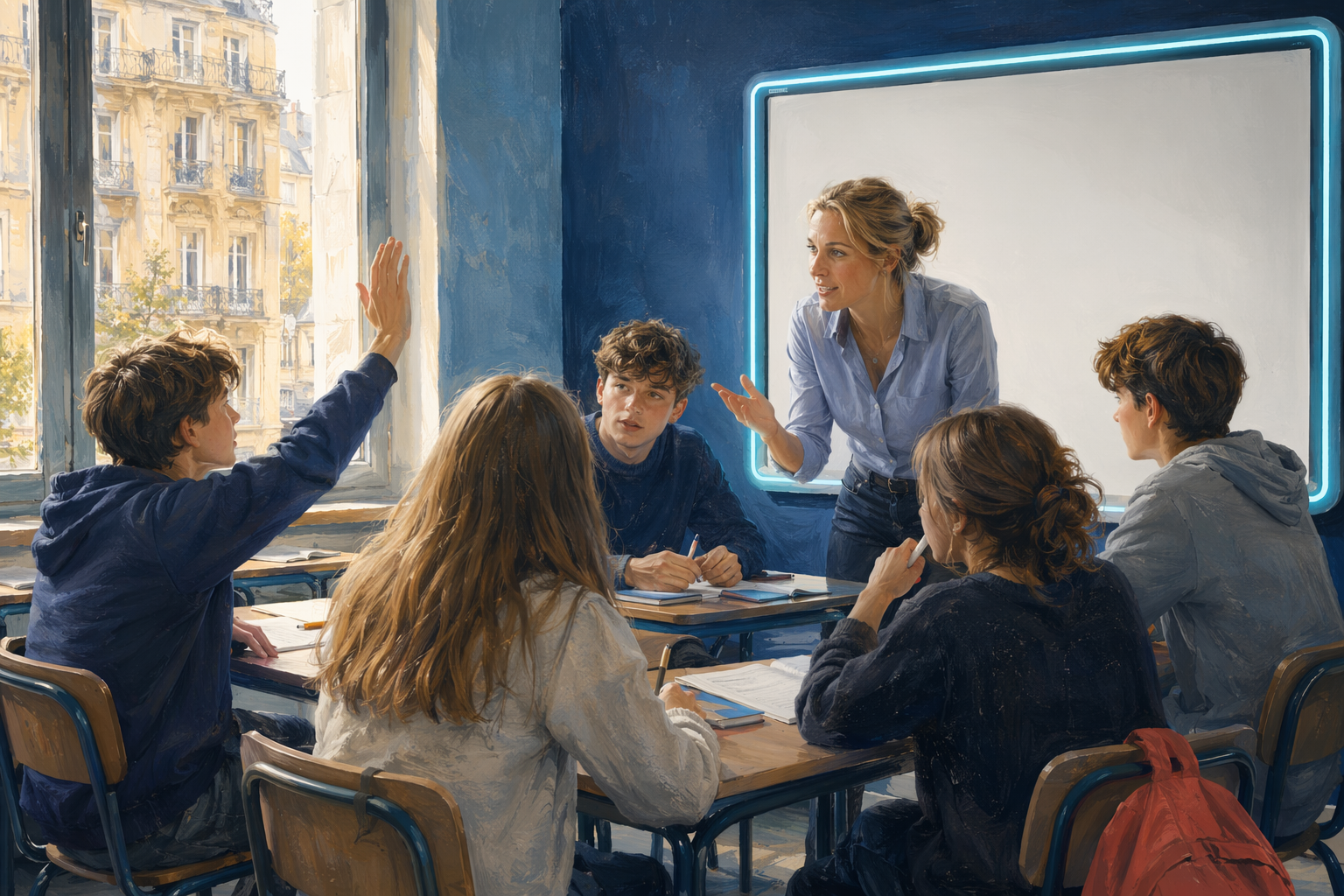
Integrarea activităților de codare în educația timpurie oferă oportunități de dezvoltare a gândirii logice, a limbajului, a creativității și a capacității de rezolvare a problemelor. Prin joc, explorare și utilizarea roboților educaționali, copiii pot descoperi relații de ordine, succesiune și orientare în spațiu. Articolul prezintă exemple de activități desfășurate la grupa mare, evidențiind posibilitățile de integrare a codării în activitățile de limbaj și importanța adaptării sarcinilor la nevoile copiilor.
Studiu privind integrarea tehnicilor video în procesul de predare-evaluare
Acest studiu prezintă o cercetare pedagogică desfășurată pe parcursul unui an școlar, la două clase a IX-a din învățământul profesional, în cadrul modulului „Lăcătușerie generală”. A fost analizată integrarea tehnicilor video, folosind metode de învățământ adecvate (explicația, demonstrația, exercițiul, activități practice), prin cinci probe de evaluare.

Voluntariatul ca parcurs, nu ca eveniment: repere pentru integrarea lui în activitatea de dirigenție
Voluntariatul apare frecvent în discursul educațional ca valoare declarată, dar rareori ca activitate planificată, cu obiective clare și progresie coerentă. Există riscul ca teme precum solidaritatea socială sau implicarea civică să rămână la nivel declarativ – o singură acțiune izolată, bifată în calendarul școlar, fără o pregătire prealabilă și fără o valorificare ulterioară a experienței. Propun în acest articol câteva repere generale, rezultate din experiența proprie de organizare a activităților de dirigenție, pentru integrarea voluntariatului ca parcurs coerent, nu ca eveniment singular.

Reușita în comunicarea școlară
Articolul abordează comunicarea didactică din perspectiva elementelor care o definesc și a formelor prin care cadrul didactic transmite mesajul educațional la clasă. Sunt prezentate componentele esențiale ale oricărui act de comunicare – emițătorul, mesajul, canalul, codul, codificarea, receptorul și decodificarea –, precum și distincția dintre comunicarea verbală, paraverbală și nonverbală, stabilită în funcție de codul utilizat. Lucrarea reliefează faptul că, deși comunicarea verbală rămâne purtătoarea principală a conținuturilor învățării, indicii paraverbali și nonverbali sunt decodificați rapid de elevi și pot pregăti receptarea mesajului, pot susține implicarea afectivă și pot stimula interesul pentru învățare. În partea a doua, sunt descrise trei metode de învățământ care urmăresc explicit dezvoltarea abilităților de comunicare ale elevilor: dezbaterea, jocul de rol și studiul de caz. Articolul se adresează cadrelor didactice interesate să își conștientizeze propriul comportament comunicativ și să integreze în activitatea la clasă situații de învățare care exersează comunicarea.

Proiecte educaționale inovatoare centrate pe integrarea tehnologiilor și metodologiilor convergente
Transformările accelerate din societatea contemporană impun regândirea modului în care sunt concepute și implementate proiectele educaționale. Integrarea tehnologiilor digitale și a metodologiilor convergente nu reprezintă doar o tendință modernă, ci o necesitate pentru dezvoltarea competențelor relevante secolului XXI. Proiectele educaționale inovatoare pun accent pe colaborare, interdisciplinaritate, creativitate și utilizarea inteligentă a tehnologiei pentru a crea experiențe autentice de învățare.
Dincolo de sala de clasă: două metode pedagogice aplicate în proiecte educaționale județene
Educația actuală presupune utilizarea unor metode de predare-învățare care să valorifice experiențele directe ale elevilor și resursele comunității. Învățarea prin investigație și descoperire, alături de învățarea experiențială, oferă posibilitatea transformării unor activități educaționale în contexte autentice de formare a competențelor.
Provocare sau oportunitate? Repere metodologice pentru aplicarea noului curriculum la educație fizică și sport
Noul curriculum pentru disciplina Educație fizică și sport, aplicabil clasei a IX-a începând cu anul școlar 2026–2027, marchează o schimbare semnificativă de paradigmă: de la o programă centrată pe execuția dirijată a probelor motrice la una orientată spre autonomia elevului, spre capacitatea acestuia de a-și observa și regla efortul, de a coopera responsabil și de a transfera achizițiile în viața cotidiană. Prezentul articol analizează principalele repere metodologice ale acestei tranziții curriculare, evidențiind continuitatea cu fundamentele solide ale educației fizice tradiționale, dar și noutățile privind proiectarea pe competențe integratoare, selecția contextuală a disciplinelor sportive, rolul jocului ca mediu de învățare, siguranța ca dimensiune a autonomiei, evaluarea pentru învățare și integrarea responsabilă a tehnologiei. Materialul se adresează profesorilor de educație fizică și sport din învățământul liceal, oferind atât fundamentare teoretică, cât și instrumente practice de proiectare și reflecție profesională.

Experiența mea Erasmus+ la conferința internațională SchooLink 2026 – Cooperate to Participate, Brno, Cehia
În perioada 14–16 octombrie 2026, am avut bucuria de a participa la Brno, în Cehia, la conferința internațională SchooLink 2026 – Cooperate to Participate, un eveniment dedicat educației școlare, cooperării internaționale și implicării active a elevilor, organizat de Agenția Națională Cehă pentru Educație Internațională și Cercetare.

Explorarea României tradiționale
România este o țară cu un patrimoniu cultural bogat, care are rădăcini milenare și este format dintr-o combinație unică de folclor, meșteșuguri populare și obiceiuri legate de riturile vieții și de calendarul agricol.
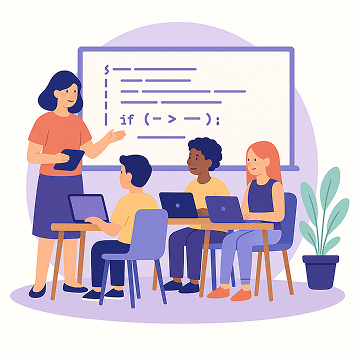
Erasmus+ – conexiuni europene, experiențe care inspiră și educație pentru viitor (Formare Erasmus+)
În cadrul Acreditării Erasmus+ – domeniul Educație Școlară, cadrele didactice ale Școlii Gimnaziale „Mihai Viteazul” din Craiova au avut oportunitatea de a participa la experiențe europene de formare profesională și schimb de bune practici, descoperind noi perspective asupra educației și modalități concrete de îmbunătățire a activității didactice. Aceste mobilități reflectă angajamentul instituțional față de dezvoltarea continuă a competențelor pedagogice și față de alinierea practicilor educaționale la standardele europene, într-un context în care deschiderea către inovație și colaborare internațională devine o condiție esențială a calității în educație.